Puoi raffinare la ricerca cliccando sui filtri proposti (nella colonna a sinistra, se navighi da PC, o in fondo alla pagina, se navighi da mobile), oppure utilizzando il box di ricerca veloce o la relativa ricerca avanzata.

Includi: nessuno dei seguenti filtri
× Soggetto Alieni

Trovati 667885 documenti.

Mostra parametri
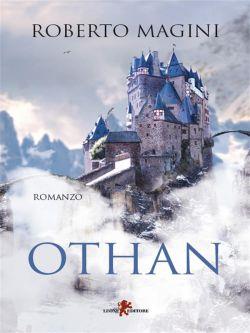
Othan
0 0
Logo MediaLibraryOnline Risorsa locale

Magini, Roberto

Othan

Leone editore, 08/08/2022

Abstract: Carlo, scrittore ed ex neurochirurgo, parte per un viaggio insieme all'amico di sempre, Franco, che deve realizzare un servizio fotografico nelle isole Svalbard, all'estremo nord della Norvegia. Devono atterrare all'aeroporto di Longyearbyen ma, a causa di un incidente, l'aereo si schianta su una calotta di ghiaccio. Carlo e Franco si trovano dinanzi a un gruppo di uomini misteriosi che li faranno prigionieri. Condotti sull'isola di Othan, impareranno a conoscere la genia degli Incontaminati, uomini dall'estremo vigore fisico e incredibilmente longevi, che hanno dato vita a una civiltà completamente isolata dal resto del mondo. Ma le leggi degli Incontaminati riguardo agli stranieri sono spietate e Carlo dovrà affrontare sfide che non può nemmeno immaginare per salvare la sua vita e quella dell'amico.

Vinco io
0 0
Logo MediaLibraryOnline Risorsa locale

Masia, Lally

Vinco io

Leone editore, 08/08/2022

Abstract: Livia è una donna forte e sicura di sé, che nella vita ne ha passate tante. Ha vissuto delle perdite che l'hanno segnata, dei dolori che non può dimenticare, delle difficoltà con cui ancora oggi combatte. Ma se guarda indietro, sono molte anche le ragioni per sorridere: ha sempre aiutato le persone che aveva intorno, che le hanno restituito amore e supporto, ha raggiunto tanti traguardi… e ha vissuto momenti intensi e indimenticabili. Ora, mentre con un paracadute sulle spalle si è appena lanciata nel vuoto, ripensa a tutte le tappe più significative della sua vita, e il vento che gioca con lei in questa caduta le stimola ricordi e riflessioni. Lally Masia prende per mano i suoi lettori e li accompagna in un viaggio profondo e introspettivo.

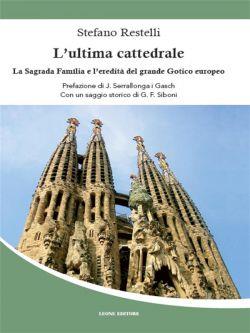
L'ultima cattedrale
0 0
Logo MediaLibraryOnline Risorsa locale

Restelli, Stefano

L'ultima cattedrale

Leone editore, 02/08/2022

Abstract: Antoni Gaudí (1852-1926) visse in un'epoca pervasa dalla riscoperta dell'identità culturale e religiosa d'Europa e da un vivo interesse per le sue origini storiche. La passione romantica per il Medioevo definiva, in un permeabile rapporto di confronto-scontro con il gusto classicistico delle accademie, forme e principi dell'operare artistico. Muovendo da tali premesse, gli inaspettati esiti del percorso professionale di Gaudí vengono indagati dall'autore nel tempio che è il capolavoro della sua vita e verificati sulla base delle complesse relazioni tra fedeltà, messa in discussione, superamento e approccio conservativo rispetto al dettato degli stili storici allora dominanti.

Solo tu
0 0
Logo MediaLibraryOnline Risorsa locale

Williams, S.

Solo tu

Leone editore, 15/04/2022

Abstract: Mary è una donna di mezza età, che gestisce un modesto caffè nel mezzo dell'Inghilterra. Quando la giovane Athene entra nel suo locale e chiede indicazioni per il cottage Blea Fell, che ha affittato per le vacanze, Mary può solo dirle che la dimora è in rovina, dopo un incendio che l'ha distrutta vent'anni fa. Dal momento che Athene non ha un posto in cui stare, le suggerisce di passare la notte a Craven Head, l'hotel in città gestito da Jamie, amico d'infanzia di Mary. Ciò che Athene non sa è che il suo arrivo ha sconvolto la mente della donna, riaprendo le porte ai fantasmi del suo passato. La ragazza è infatti incredibilmente simile a Bella, la migliore amica di Mary e l'unica persona che lei abbia mai amato, nonché inquilina di Blea Fell, morta in modo terribile ed enigmatico. Chi è Athene e perché è lì? Può essere lei la chiave per risolvere un mistero sotterrato da troppi anni?

Oltre la siepe
0 0
Logo MediaLibraryOnline Risorsa locale

Abel, Barbara

Oltre la siepe

Leone editore, 17/06/2022

Abstract: Sylvain e Tiphaine, David e Laetitia sono amici da sempre. I quattro trascorrono insieme quasi ogni giorno, dato che le loro case sono separate soltanto da una siepe, e i loro figli – Maxime e Milo, sei anni – sono inseparabili. Ma l'idillio è destinato a infrangersi quando Laetitia vede Maxime, il figlio di Tiphaine, che si sporge pericolosamente dalla finestra. Pochi ma preziosi secondi persi a capire cosa fare e, quando Laetitia corre ad avvisare Tiphaine, è troppo tardi. Maxime è caduto ed è morto sul colpo. Laetitia avrebbe potuto salvare il bambino? Sylvain e Tiphaine la ritengono responsabile? Laetitia inizia a temere che i vicini stiano meditando vendetta e, presto, si ritrova ossessionata dall'idea che vogliano uccidere Milo. Ma la spirale di paranoia in cui si lascia trascinare rischia di travolgere anche suo marito e suo figlio.

L'isola delle ombre
0 0
Logo MediaLibraryOnline Risorsa locale

Pandolfo, Ignazio

L'isola delle ombre

Leone editore, 15/06/2022

Abstract: Bruno è un giovane prete dal passato traumatico, di cui non ricorda molto, se non che suo padre ha ucciso la madre e si è suicidato, e che lui e la sorella Edda sono stati affidati allo zio Edoardo, uomo malvagio e violento. Ora, Bruno sta attraversando un periodo difficile: la sua fede religiosa è in crisi e Edda muore dopo una lunga malattia. Perciò, quando il suo vecchio amico Marco lo invita a stare un po' da lui, sulla salubre Isola Piccola, per riprendersi dal lutto e cambiare aria, Bruno è più che felice di accettare. Ma, una volta lì, si accorge che qualcosa non quadra. Sembra che non solo Marco e sua moglie Ambra, ma tutti gli abitanti dell'isola si comportino in modo strano e, presto, Bruno si rende conto di essere vittima di una congiura. L'hanno attirato in trappola su quell'isola. Ma perché? E in che tipo di pericolo si trova Bruno? Il suo fragile equilibrio psichico vacilla sempre di più, mentre le ombre partorite dalla sua mente si confondono con la realtà.

L'ineluttabilità dell'uguaglianza
0 0
Logo MediaLibraryOnline Risorsa locale

Tozzo, David - Vendola, Nichi

L'ineluttabilità dell'uguaglianza

LUISS University Press, 26/06/2023

Abstract: La disuguaglianza è uno dei temi chiave del presente. Sociologi, economisti, politologi e filosofi hanno raccontato come le disuguaglianze siano connaturate alle società umane, e che ciò che chiamiamo "civiltà" è inevitabilmente collegato alle brutali differenze di status, reddito, persino etnia e cultura. In questo saggio che rimanda direttamente, per taglio, acume e veemenza, ai grandi scritti dei polemisti dell'Illuminismo, David Tozzo sottolinea come, invece, gli esseri umani abbiano vissuto per 200.000 anni – il 95% della nostra storia – in società egualitarie non stratificate, in cui la cooperazione ma anche la condivisione erano norma unica e universale. L'autore, spaziando dalla storia politica alla letteratura, dimostra come il percorso della nostra società, a dispetto degli avvenimenti imprevedibili e spesso brutali, non assomigli a una traiettoria di rovina. Tutt'altro: la nostra epoca, che favorisce reciprocità e redistribuzione, compassione e compensazione, conoscenza e collaborazione porterà, ineluttabilmente, a un futuro più uguale per tutti.

La verità del male. Eichmann prima di Gerusalemme
0 0
Logo MediaLibraryOnline Risorsa locale

Stangneth, Bettina

La verità del male. Eichmann prima di Gerusalemme

LUISS University Press, 20/06/2023

Abstract: Accolto con clamore in tutto il mondo, e cinquant'anni dopo La banalità del male, questo libro capovolge l'immagine di Eichmann e del nazismo data da Hannah Arendt.Il gerarca nazista Adolf Eichmann, dopo la fine della seconda guerra mondiale, fuggì in Argentina e lì visse nascosto finché non venne catturato dai servizi segreti israeliani e portato a Gerusalemme per il celebre processo. Bettina Stangneth, filosofa tedesca esperta di inganno e manipolazione, ne ha seguito le tracce lasciate durante la sua latitanza, rintracciando i suoi nascondigli e portando alla luce documenti segreti e dettagli inediti, svelando così le abili macchinazioni con cui uno dei principali architetti della Shoah, che egli riteneva "il suo capolavoro", definì se stesso "funzionario d'ordine" e "piccolo ingranaggio nella macchina di annientamento nazista". Stangneth dimostra che l'immagine di grigio burocrate, inetto e poco intelligente, della quale si convinse Hannah Arendt, che così lo raccontò a milioni di lettori, fu in realtà studiata a tavolino dallo stesso Eichmann, abile manipolatore sociale che sperava in questo modo di aver salva la vita. Non ci riuscì, ma riuscì – fino a oggi – a perpetrare un inganno ancora più terribile: farci credere che il diavolo non esiste.

Contro la democrazia
0 0
Logo MediaLibraryOnline Risorsa locale

Brennan, Jason

Contro la democrazia

LUISS University Press, 20/06/2023

Abstract: È stato detto che la democrazia sia la peggior forma di governo, ad eccezione di tutte le altre fin qui sperimentate. Ma se la concezione relativistica dei regimi democratici come "male minore" appare in molte analisi e teorie moderne, da Machiavelli a Sartori, passando per Weber e Schumpeter, nessuno prima di Jason Brennan aveva sottoposto a un processo altrettanto spietato la "miglior forma di governo possibile". A giudicare dai risultati, infatti, il regime che dovrebbe garantire a tutti i cittadini il diritto di essere guidati da leader competenti e capaci di prendere decisioni ponderate, somiglia troppo spesso al regno dell'irrazionalità e dell'ignoranza: molti elettori compiono le loro scelte sulla base dell'emozione o del pregiudizio, non conoscendo neanche, in numerosi casi documentati, la forma di governo vigente o addirittura i nomi dei leader in carica.Quale alternativa abbiamo, allora? Come superare gli inconvenienti della democrazia se non vogliamo esporci ai rischi che comporterebbe la concentrazione del potere nelle mani di pochi? La proposta di Brennan è di sperimentare una forma di governo "epistocratica" che sia compatibile con parlamenti, elezioni e libertà di parola, ma distribuisca il potere politico in proporzione a conoscenza e competenza. Contro la democrazia, che ha diviso specialisti e lettori e creato enorme dibattito in un campo in cui c'è urgente bisogno di idee e stimoli nuovi, è un libro che può illuminare o fare infuriare, da conservare gelosamente o da lanciare contro il muro, ma che in ogni caso non può essere ignorato.

Altre pagine sulla grande guerra
0 0
Logo MediaLibraryOnline Risorsa locale

Cadorna, Luigi

Altre pagine sulla grande guerra

Passerino, 15/06/2023

Abstract: Luigi Cadorna (Pallanza, 4 settembre 1850 - Bordighera, 21 dicembre 1928) è stato un generale e stratega militare che ha ricoperto il ruolo di Capo di Stato Maggiore dell'Esercito Italiano durante la Prima Guerra Mondiale guidando lo sforzo militare contro le forze austro-ungariche e tedesche sul fronte italiano.Il suo approccio alla guerra era fortemente influenzato dai principi della guerra offensiva e degli attacchi di fanteria di massa. Tuttavia, le sue tattiche spesso hanno comportato pesanti perdite e guadagni limitati per le forze italiane. La sua leadership autoritaria e la mancanza di considerazione per le condizioni dei soldati gli attirarono numerose critiche. Dopo la disfatta di Caporetto nel 1917, Cadorna fu rimosso dal suo incarico di comandante in capo e sostituito dal generale Armando Diaz.

Reminiscences of a South African Pioneer
0 0
Logo MediaLibraryOnline Risorsa locale

Scully, W. C.

Reminiscences of a South African Pioneer

Passerino

Abstract: The reminiscences set down in this volume have been published serially in The State of South Africa, in a more or less abridged form, under the title of "Unconventional Reminiscences." They are mainly autobiographical. This has been inevitable; in any narrative based upon personal experience, an attempt to efface oneself would tend to weaken vitality. Having lived for upwards of forty-five years in South Africa usually in parts remote from those settled areas which have attained a measure of civilization and having been a wide wanderer in my early days, it has been my fortune to witness many interesting events and to be brought into contact with many strong men. Occasionally, as in the case of the earlier discoveries of gold and diamonds, I have drifted, a pipkin among pots, close to the centre around which the immediate interests of the country seemed to revolve.The period mainly dealt with is that magical one when South Africa unnoted and obscure was startled from the simplicity of her bucolic life by the discovery of gold and diamonds. This was, of course, some years before the fountains of her boundless potential wealth had become fully unsealed. I was one of that band of light-hearted, haphazard pioneers who, rejoicing in youthful energy and careless of their own interests, unwittingly laid the foundation upon which so many great fortunes have been built.An ancient myth relates how the god Dionysus decreed that everything touched by Midas, the Phrygian king, should turn into gold, but the effect was so disastrous that Midas begged for a reversal of the decree. The prayer was granted, conditionally upon the afflicted king bathing in the River Pactolus.South Africa may, in a sense, be paralleled with Midas both as regards the bane of gold and the antidote of bathing but her Pactolus has been one of blood.Midas again got into trouble by, refusing to adjudge in the matter of musical merit between Pan and Apollo, and this time was punished by having his ears changed into those of an ass. Our choice lies before us; may we avoid the ass's ears by boldly making a decision. May we evade a worse thing by unhesitatingly giving our award in favor of Apollo.With this apologia I submit my humble gleanings from fields on which no more the sun will shine, to the indulgent sympathy of readers.W. C. ScullyPORT ELIZABETH, SOUTH AFRICA, January, 1913.William Charles Scully (29 October 1855 – 25 August 1943) is one of South Africa's best-known authors, although little known outside South Africa. In addition to his work as an author, his paid work was principally as a magistrate in Springfontein, South Africa, as well as in Namaqualand and the Transkei. His last position before retirement was as Chief Magistrate of Port Elizabeth, one of South Africa's larger cities. He organised the building of "New Brighton", a township for aboriginal African people in Port Elizabeth. At the time it was regarded as very progressive—a pleasant place to live.

The Religion of the Ancient Celts
0 0
Logo MediaLibraryOnline Risorsa locale

Macculloch, J. A.

The Religion of the Ancient Celts

Passerino

Abstract: The religion of the ancient Celts was a complex and varied belief system that evolved over time and across different regions inhabited by the Celtic peoples. Unfortunately, due to the lack of written records from the Celts themselves, our understanding of their religious practices and beliefs is largely based on accounts written by Roman and Greek observers, as well as archaeological evidence.The Celtic religion was polytheistic, meaning they worshiped multiple gods and goddesses. These deities were associated with various aspects of nature, such as the sun, moon, earth, water, and animals. The Celts believed that the natural world was inhabited by supernatural beings and that they played a significant role in shaping their lives.One of the central concepts in Celtic religion was the belief in the Otherworld, a realm that existed parallel to the physical world. The Otherworld was a place of eternal youth, beauty, and abundance, and it was the destination for souls after death. The Celts believed in the immortality of the soul and the possibility of reincarnation.The Druids, a class of priests and religious leaders, held great influence in Celtic society. They were responsible for conducting religious ceremonies, offering sacrifices, and interpreting omens and signs. The Druids also played a crucial role in transmitting oral traditions and knowledge, including myths, genealogies, and legal codes.Rituals and ceremonies were an important part of Celtic religious practices. These included offerings of food, drink, and valuable objects to the deities, as well as animal and, in some cases, human sacrifices. Rituals were often held in sacred groves, hilltops, or lakeshores, which were believed to be places where the boundaries between the mortal and divine realms were thin.The Celts celebrated several festivals throughout the year, marking the changing seasons and agricultural cycles. The most famous of these festivals was Samhain, which marked the end of the harvest season and the beginning of winter. It was believed that during Samhain, the veil between the worlds of the living and the dead was at its thinnest, allowing spirits and fairies to roam freely.It's important to note that the Celts were not a homogeneous group, and religious practices and beliefs could vary among different tribes and regions. Additionally, the Roman conquest of Celtic lands and the spread of Christianity in later centuries significantly impacted and reshaped Celtic religious traditions.John Arnott MacCulloch is best known as one of Scotland's pre-eminent scholars on Celtic Religion and Mythology. His most famous works include The Religion of the Ancient Celts and his lengthier The Mythology of All Races (in thirteen volumes). The former book first published in 1911, was written during a long residence in the Isle of Skye, a place McCulloch claimed to be "easier to attempt the ancient religion than in a busier or more prosaic place" because it "is where the old language of the people still survives, and where the genius loci speaks everywhere of things remote and strange."McCulloch's book became an instant classic as it was one of the first to attempt to rebuild Celtic paganism and postulate its inner spirit. McCulloch portrays the Celt as a seeker after God, linking himself by strong ties to the unseen and eager to conquer the unknown by religous rite and magic art. The earliest aspect of the Celtic religion, McCulloch believed, was the cult of nature spirits and of life manifested in nature.

Leuconoe
0 0
Logo MediaLibraryOnline Risorsa locale

Marruzzino, Salvatore

Leuconoe

Passerino, 14/06/2023

Abstract: Leuconoe è la giovane etèra amata da Orazio, che la immortalò nel celebre carme (1,11) del carpe diem. Per il suo significato ("Biancamente") il nome greco, creato in tenerezza e traslitterato in latino dallo stesso poeta, è sembrato adattissimo a dare il titolo a questa raccolta di delicati pensieri e immagini, per tutti quelli che hanno un'anima candida.Copertina di Dino BartolomeoFormat di Marinella MarruzzinoSalvatore Marruzzino (Aversa 1949) è docente universitario in Lingua e Letteratura Latina presso l'Università Federico II di Napoli. Vive da sempre a Gaeta in provincia di Latina.

The Oregon Trail
0 0
Logo MediaLibraryOnline Risorsa locale

Parkman, Francis

The Oregon Trail

Passerino

Abstract: The Oregon Trail is a historic and iconic overland route in the United States that played a significant role in the westward expansion of the country during the 19th century. It was a trail used by pioneers, settlers, and traders to travel from the Missouri River to the fertile valleys of Oregon. The trail covers a distance of approximately 2,170 miles (3,490 kilometers) and passes through several present-day states, including Missouri, Kansas, Nebraska, Wyoming, Idaho, and Oregon.The journey along the Oregon Trail was a challenging and arduous one, often lasting several months. The trail was first established in the early 1840s and remained in use until the completion of the First Transcontinental Railroad in 1869. During this time, an estimated 400,000 people traveled the Oregon Trail in search of new opportunities, fertile land, and a better life on the western frontier.Traveling on the Oregon Trail was a risky endeavor, with pioneers facing numerous hardships and dangers along the way. They had to endure harsh weather conditions, treacherous terrain, and the threat of disease. Many travelers also faced challenges such as crossing rivers, navigating through mountains, and finding adequate food and water for themselves and their livestock.One of the most well-known aspects of the Oregon Trail is the use of covered wagons, commonly known as prairie schooners. These wagons were typically pulled by teams of oxen or horses and carried the belongings and supplies of the pioneers. The wagons were sturdy but limited in space, so travelers had to carefully select the necessary provisions for their journey.The Oregon Trail - Sketches of Prairie and Rocky-Mountain Life is a book written by Francis Parkman. It was first published in 1849 and is considered one of Parkman's most famous works. The book is a memoir and travelogue that recounts Parkman's personal experiences and observations during his journey along the Oregon Trail in 1846.In "The Oregon Trail," Parkman vividly describes the landscapes, wildlife, Native American tribes, and the challenges faced by the pioneers traveling westward. He provides detailed accounts of the harsh conditions, the dangers encountered, and the daily life on the trail. Parkman's writing style is known for its vivid imagery and engaging storytelling, making the book a captivating read.Parkman's journey along the Oregon Trail was motivated by his interest in studying Native American tribes and exploring the untamed wilderness of the American West. Throughout the book, he encounters various Native American tribes, such as the Sioux, Cheyenne, and Pawnee, and describes their customs, interactions, and conflicts with the pioneers.Francis Parkman Jr. (September 16, 1823 – November 8, 1893) was an American historian, best known as author of The Oregon Trail: Sketches of Prairie and Rocky-Mountain Life and his monumental seven-volume France and England in North America. These works are still valued as historical sources and as literature. He was also a leading horticulturist, briefly a professor of horticulture at Harvard University and author of several books on the topic. Parkman wrote essays opposed to legal voting for women that continued to circulate long after his death. Parkman was a trustee of the Boston Athenæum from 1858 until his death in 1893.

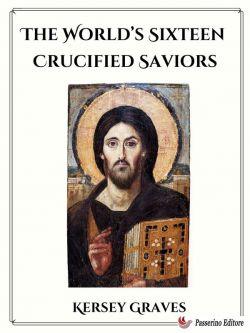
The World's Sixteen Crucified Saviors
0 0
Logo MediaLibraryOnline Risorsa locale

Graves, Kersey

The World's Sixteen Crucified Saviors

Passerino

Abstract: The World's Sixteen Crucified Saviors is a book written by Kersey Graves and published in 1875. In this book, Graves presents a comparative analysis of various mythological and religious figures from different cultures who, according to him, share similarities with Jesus Christ, particularly in their crucifixion and resurrection narratives.Graves argues that the story of Jesus' crucifixion and resurrection is not unique to Christianity but has parallels in other religious traditions. He claims to have identified sixteen different savior figures from various cultures throughout history who were crucified and resurrected. These figures include Osiris of Egypt, Krishna of India, Mithras of Persia, and others.Graves' intention in writing this book was to challenge the orthodox Christian belief in the uniqueness of Jesus' life and death. He aimed to demonstrate that the crucifixion and resurrection story was not exclusive to Christianity but rather a recurring theme in different mythologies and religious beliefs.However, it's important to note that the book has received significant criticism from both religious and academic circles. Scholars have pointed out that Graves' comparative analysis often relies on selective interpretations, questionable sources, and flawed methodology. Critics argue that many of the supposed similarities between Jesus and these other figures are based on superficial resemblances and overlook substantial differences in their respective narratives."The World's Sixteen Crucified Saviors" remains a controversial and debated work, with many scholars dismissing its claims as unreliable and lacking scholarly rigor. The field of religious studies has since advanced, employing more nuanced and comprehensive approaches to the study of religious narratives and the historical context of religious figures.Kersey Graves (1813-1883) was an American author and skeptic best known for his controversial book titled "The World's Sixteen Crucified Saviors" published in 1875. The book presents a comparative study of various religious figures throughout history who are said to have been crucified or to have parallels with the story of Jesus Christ. 

Breve storia dell'albergo
0 0
Logo MediaLibraryOnline Risorsa locale

Ferraiuolo, Antonio

Breve storia dell'albergo

Passerino, 06/06/2023

Abstract: La storia dell'albergo, inteso come luogo in cui ospitare e fornire servizi agli ospiti, risale a tempi antichi. Sin dai primi insediamenti umani, è stata presente la necessità di offrire un rifugio e un sostegno ai viaggiatori.L'idea di fornire alloggio e servizi ospitali ha avuto origine nell'antica Roma, dove esistevano stabilimenti chiamati "stabula" o "mansiones" lungo le strade principali dell'impero. Questi luoghi fornivano ristoro e alloggio agli eserciti, ai funzionari governativi e ai commercianti che si spostavano lungo le vie di comunicazione.Durante il Medioevo, con l'aumento del commercio e del pellegrinaggio, nacquero le prime locande e ostelli, spesso gestiti da ordini religiosi. Questi luoghi offrivano alloggio e pasti ai viaggiatori e ai pellegrini che percorrevano le rotte commerciali o visitavano i luoghi santi.Tuttavia, la vera evoluzione dell'industria alberghiera avvenne durante il Rinascimento e l'era moderna. Nel XVI secolo, le grandi città europee cominciarono ad ospitare "alberghi" più simili a quelli che conosciamo oggi. Questi alberghi offrivano camere private, pasti e servizi vari agli ospiti paganti.Durante il XIX secolo, l'industrializzazione e la rivoluzione dei trasporti portarono a un aumento del turismo e dei viaggi. Ciò ha dato luogo all'espansione e al miglioramento degli alberghi in tutto il mondo. Molte città importanti divennero famose per i loro lussuosi alberghi, attirando l'élite e i viaggiatori internazionali.Con l'avvento del XX secolo, l'industria alberghiera ha continuato a crescere e a svilupparsi, adattandosi alle mutevoli esigenze dei viaggiatori. Nuove catene alberghiere sono state fondate, l'esperienza dell'ospitalità si è evoluta e sono state introdotte nuove tecnologie e servizi.Negli ultimi decenni, l'industria alberghiera ha subito ulteriori cambiamenti con l'avvento delle prenotazioni online, delle piattaforme di condivisione di alloggi e dell'interesse crescente per l'ospitalità sostenibile.Oggi, gli alberghi si trovano in tutto il mondo e offrono una vasta gamma di servizi e esperienze agli ospiti, dalle strutture economiche alle boutique di lusso. L'industria alberghiera è diventata un settore vitale dell'economia globale, fornendo posti di lavoro e contribuendo al turismo e allo sviluppo delle comunità locali.I mini-ebook di Passerino Editore sono guide agili, essenziali e complete, per orientarsi nella storia del mondo.A cura di Antonio Ferraiuolo. 

Silas Marner
0 0
Logo MediaLibraryOnline Risorsa locale

Eliot, George

Silas Marner

Passerino

Abstract: Silas Marner is the third novel by George Eliot. It was published in 1861. An outwardly simple tale of a linen weaver, the novel is notable for its strong realism and its sophisticated treatment of a variety of issues ranging from religion to industrialisation to community.Mary Ann Evans (22 November 1819 – 22 December 1880) known by her pen name George Eliot, was an English novelist, poet, journalist, translator, and one of the leading writers of the Victorian era.

Against the Grain
0 0
Logo MediaLibraryOnline Risorsa locale

Huysmans, Joris-Karl

Against the Grain

Passerino

Abstract: À rebours (translated Against Nature or Against the Grain) is an 1884 novel by the French writer Joris-Karl Huysmans. The narrative centers on a single character: Jean des Esseintes, an eccentric, reclusive, ailing aesthete.Charles-Marie-Georges Huysmans (5 February 1848 – 12 May 1907) was a French novelist and art critic who published his works as Joris-Karl Huysmans. He is most famous for the novel À rebours (1884, published in English as Against the Grain and as Against Nature). He supported himself by way of a 30-year career in the French civil service. 

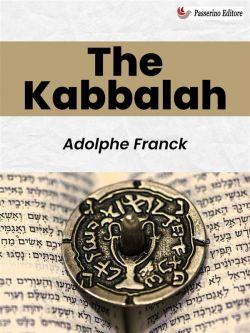
The Kabbalah
0 0
Logo MediaLibraryOnline Risorsa locale

Franck, Adolphe

The Kabbalah

Passerino

Abstract: The Kabbalah, also spelled Kabalah or Qabalah, is a mystical and esoteric tradition within Judaism. It is often referred to as Jewish mysticism and is based on ancient Jewish texts, primarily the Zohar.The word "Kabbalah" comes from the Hebrew root word "kabel," which means "to receive." The Kabbalah is concerned with understanding and interpreting the hidden meanings of the Torah and other Jewish religious texts. It seeks to explore the nature of God, the universe, and the human soul.One of the key concepts in Kabbalah is the Tree of Life, which is a symbolic representation of the divine and the different realms of existence. It consists of ten interconnected spheres called sefirot, each representing different aspects of God and the universe.The Kabbalah teaches that there are deeper levels of meaning and understanding beyond the literal interpretation of the Torah. It seeks to uncover the spiritual and mystical dimensions of Jewish teachings. The study of Kabbalah involves various methods such as meditation, visualization, and contemplation to gain insights into the divine mysteries.Kabbalistic teachings cover a wide range of topics, including cosmology, metaphysics, ethics, and the nature of good and evil. It explores concepts such as the divine emanations, the soul's journey, the nature of God's attributes, and the interplay between the physical and spiritual realms.Historically, the Kabbalah has been transmitted orally and through written texts. The Zohar, a key Kabbalistic work, is attributed to Rabbi Shimon bar Yochai and is considered one of the foundational texts of Kabbalah. Other important Kabbalistic texts include the Sefer Yetzirah, the Bahir, and various commentaries and interpretations by Kabbalistic scholars throughout history.While the Kabbalah originated within Judaism, its teachings and influence have extended beyond Jewish religious circles. Over the centuries, Kabbalistic ideas and practices have been embraced and studied by individuals from various religious and spiritual traditions, including Christianity, Hermeticism, and New Age movements.It's important to note that the study of Kabbalah is traditionally reserved for individuals who have a strong foundation in Jewish law and teachings. In recent years, there has been a popularization of Kabbalistic ideas and practices, leading to the emergence of various Kabbalah centers and organizations offering teachings to a wider audience. However, interpretations and practices outside of traditional Jewish contexts may vary significantly.Adolphe Franck (1809 – 11 March 1893) was a French-Jewish philosopher who specialised in Jewish mysticism.

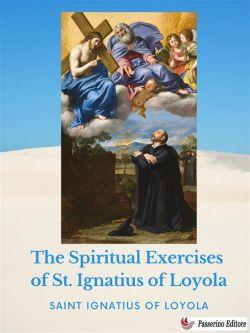
The Spiritual Exercises  of St. Ignatius of Loyola
0 0
Logo MediaLibraryOnline Risorsa locale

of Loyola, Saint Ignatius

The Spiritual Exercises of St. Ignatius of Loyola

Passerino

Abstract: The Spiritual Exercises of St. Ignatius of Loyola are a set of guidelines and meditations designed to help individuals deepen their relationship with God and discern His will in their lives. They were developed by St. Ignatius of Loyola, the founder of the Society of Jesus (the Jesuits), in the 16th century.St. Ignatius initially developed the Spiritual Exercises for his own spiritual growth during a period of intense reflection and conversion after being injured in battle. Later, he shared these exercises with others and they became a central part of Jesuit spirituality and formation.St. Ignatius of Loyola, also known as Ignatius Loyola or Ignacio de Loyola, was a Spanish priest and theologian who lived from 1491 to 1556. He is best known as the founder of the Society of Jesus, a religious order commonly known as the Jesuits. St. Ignatius played a significant role in the Counter-Reformation, a period of Catholic revival in response to the Protestant Reformation.Born into a noble family in the Basque region of Spain, Ignatius initially pursued a military career. However, his life took a dramatic turn when he was severely injured in battle in 1521. During his recovery, he experienced a profound spiritual transformation and dedicated himself to serving God.Ignatius embarked on a period of intense prayer, reflection, and study. He formulated the Spiritual Exercises, a structured series of meditations and prayers aimed at deepening one's relationship with God. The Spiritual Exercises became the foundation of Ignatian spirituality and remain influential to this day.In 1540, Ignatius received papal approval for the Society of Jesus, a religious order focused on education, mission work, and serving the needs of the Church. The Jesuits quickly grew in numbers and influence, establishing numerous schools, colleges, and universities around the world. They played a crucial role in spreading Catholicism to different continents through their missionary efforts.St. Ignatius emphasized disciplined spiritual practices, such as daily examination of conscience, discernment of God's will, and a commitment to serving others. He also wrote the Constitutions of the Society of Jesus, outlining the organization's structure, principles, and mission.St. Ignatius of Loyola was canonized as a saint by the Catholic Church in 1622. His legacy continues to shape the Catholic Church and Ignatian spirituality, inspiring individuals to seek a deeper relationship with God, engage in discernment, and live lives of service and contemplation.Translated by Father Elder Mullan.